Foreclosures Near Me: Your Comprehensive Guide to Understanding, Finding, and Evaluating Properties

Imagine uncovering hidden gems in the real estate market, properties waiting for a savvy investor like you to breathe new life into them. Welcome to the intriguing world of foreclosures, where opportunity and strategy meet! This guide will be your compass through the sometimes murky waters of foreclosures, turning potential challenges into golden opportunities.
In this comprehensive journey, we will demystify the foreclosure process, provide you with the tools to find foreclosures near you, and equip you with the knowledge to assess and purchase these properties with confidence. Your path to unlocking real estate potential starts here!
Introduction to Foreclosures
Venturing into the world of real estate? Understanding foreclosures is a critical step. This guide deciphers the complex process of foreclosures, offering a clear path through a potentially lucrative yet challenging landscape.
Foreclosures occur when a homeowner fails to meet their mortgage obligations, leading the lender to reclaim the property. This process can present unique opportunities for buyers seeking discounted properties. However, it also involves intricate legal and financial procedures that require a keen eye and a detailed understanding.
The Foreclosure Process Unveiled
The foreclosure journey begins when a homeowner misses mortgage payments, triggering a series of legal actions. Initially, the lender will issue a notice of default, giving the homeowner a chance to rectify their payments. If unresolved, the process escalates with a notice of sale and eventually, the public auction of the property. Throughout this sequence, each step is bound by strict legal requirements that vary by jurisdiction, necessitating an in-depth comprehension and strategic planning.
Legal Implications and Requirements
Handling foreclosures demands clarity about the legal landscape. Each state has its own set of foreclosure laws, which dictate everything from the timeline and process to the homeowner’s rights and redemption periods. Understanding these laws is critical, as they determine how foreclosures are conducted and what opportunities or challenges may arise for all parties involved.
Moreover, buyers must be acutely aware of the legal responsibilities they assume when purchasing a foreclosed property, such as existing liens or pending litigation.
To navigate foreclosures effectively, one must not only grasp the process but also respect the legal frameworks governing it.
Finding Foreclosures Near You
Embarking on the journey to find the perfect foreclosure property can be both thrilling and daunting. Luckily, with the right tools and knowledge, you can easily navigate this complex landscape and discover hidden gems right in your neighborhood.
Whether you’re a seasoned investor or a first-time buyer, understanding where to search and what resources are at your disposal is crucial. Let’s delve into the strategies and platforms that can help you locate foreclosures near you, unlocking opportunities for great deals.
Essential Resources for Locating Foreclosures
In today’s digital age, finding foreclosures has never been easier. Several platforms offer comprehensive listings, making the search stress-free and efficient. Here’s a breakdown of useful resources that can be your go-to for discovering foreclosed properties in your vicinity.
| Resource Name | Description | Accessibility | Cost |
|---|---|---|---|
| Real Estate Websites | Popular sites like Zillow and Realtor.com provide detailed foreclosure listings with filters for location, price, and more. | Online, 24/7 Access | Free |
| County Public Records | Local government websites offer public access to foreclosure filings and auctions. | Online or In-person | Free |
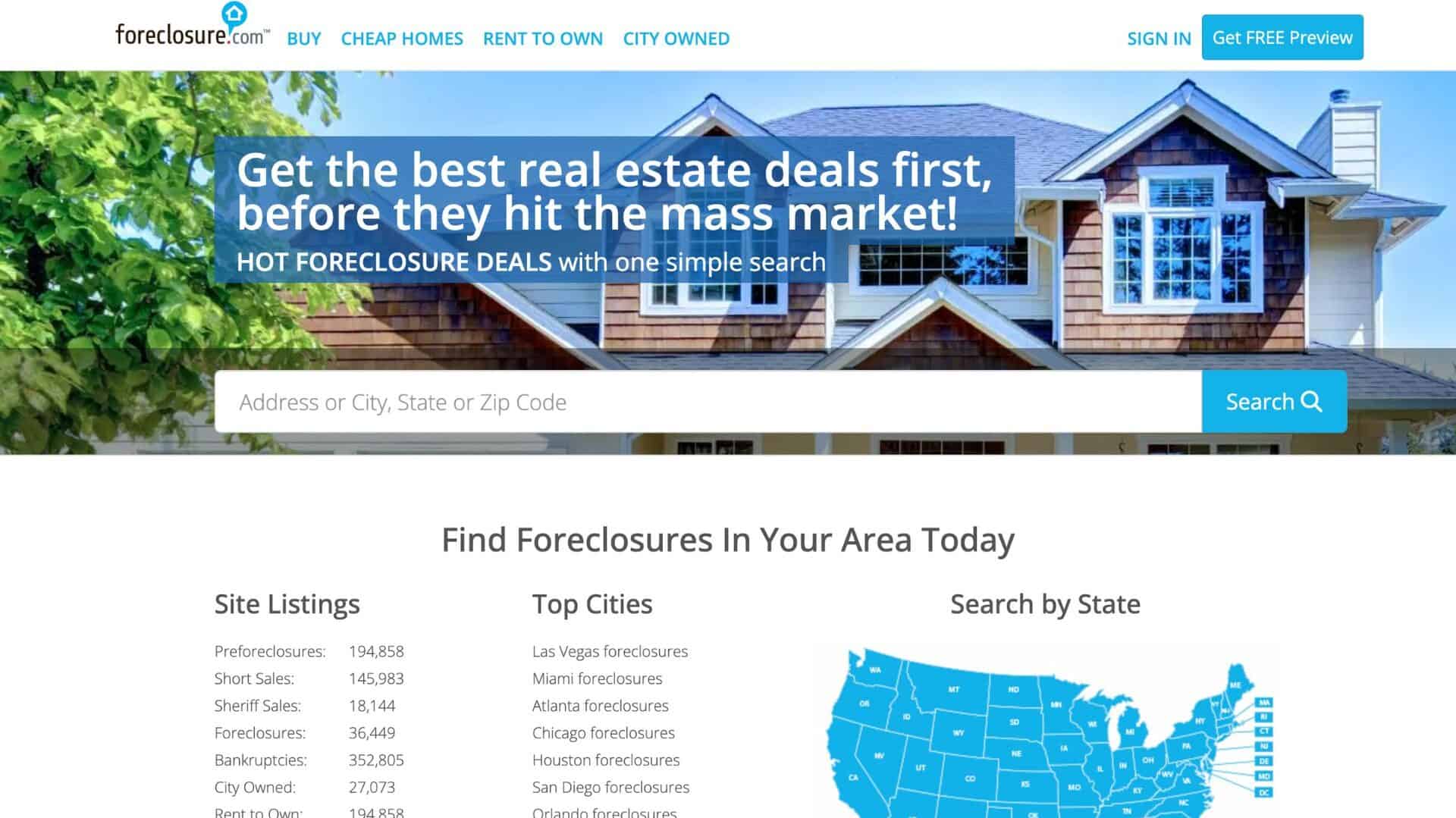
| Foreclosure Listing Services | Dedicated services such as RealtyTrac and Foreclosure.com offer extensive databases and alerts for new listings. | Online, Subscription-Based | Varies (Monthly Fee) |
| Real Estate Agents | A professional realtor can provide personalized insights and access to exclusive listings. | By Appointment | Commission-Based |
Maximizing Your Search with Technology
Utilizing technology can significantly enhance your property search. Mobile apps, automated alerts, and interactive maps allow you to stay updated on the latest listings. Leverage these tech tools to ensure you never miss an opportunity in your area.
“In the world of real estate, knowledge is power. Equip yourself with the right resources and watch as the market unfolds in front of you.”
With a strategic approach and the right resources, finding a foreclosure property near you becomes a rewarding experience, opening doors to incredible investment opportunities.
Evaluating Foreclosure Properties
When you’re on the hunt for foreclosures, mastering the art of evaluating properties becomes crucial. It’s not just about the price tag; it’s about understanding the property’s true potential and challenges. Ready to become a savvy evaluator?
Let’s dive deep into the essential criteria you need to assess the value and condition of foreclosed properties. Whether you’re a seasoned investor or a curious first-time buyer, these insights will empower your decision-making process.
Criteria for Assessing Value and Condition
Evaluating a foreclosure involves more than a cursory glance at the exterior. It requires a thorough investigation into various aspects that contribute to the property’s overall value. Here are some critical criteria to keep in mind:
- Location: Consider the neighborhood’s appeal, proximity to amenities, and potential for future growth.
- Structural Integrity: Inspect the foundation, roof, and walls for any signs of decay or damage.
- Market Comparisons: Analyze recent sales of similar properties in the area to gauge market value.
- Legal Issues: Ensure there are no outstanding liens or legal disputes associated with the property.
- Required Repairs: Estimate the cost of necessary repairs and renovations.
Comparing Evaluation Techniques
Not all evaluation techniques are created equal. Different methods offer varying levels of detail and insight. Here’s a comparison of some popular techniques:
| Technique | Description | Effectiveness |
|---|---|---|
| Professional Appraisal | A licensed appraiser evaluates the property’s market value based on detailed analysis. | Highly effective for an accurate valuation, though it incurs a cost. |
| Comparative Market Analysis (CMA) | Real estate agents provide an estimate based on similar property sales. | Effective for understanding market trends, but less precise than an appraisal. |
| DIY Inspection | Conducting a personal inspection focusing on visible issues and minor repairs. | Useful for a preliminary assessment, but lacking in professional expertise. |
Checklist for Property Evaluation
Before making any decisions, ensure you’ve considered all critical factors. Here’s a comprehensive checklist to guide your property evaluation:
“A thorough evaluation today saves future headaches and unlocks hidden opportunities.”
- Inspect the property’s exterior for visible damage or neglect.
- Assess interior conditions, including plumbing, electrical, and HVAC systems.
- Research historical property values in the area.
- Verify zoning laws and any restrictions on the property’s use.
- Consult with professionals for a detailed property inspection.
Financing and Purchasing Foreclosed Homes
Unlocking the potential in foreclosed properties begins with a savvy understanding of financing and purchasing strategies. Seize opportunities by knowing your options and mastering the intricate auction process.
Embarking on the journey to acquire a foreclosed home requires a blend of financial acumen and strategic bidding. Let’s delve into the various financing avenues and explore the essential steps to secure a foreclosed property.
Exploring Financing Options for Foreclosed Properties
Purchasing a foreclosed home often necessitates unique financing approaches. While traditional home loans are one option, several other pathways can enhance your purchasing power. Consider these methods to finance your foreclosure acquisition:
- FHA Loans: With lower down payment requirements, FHA loans can be a practical choice for buyers with limited funds.
- Conventional Loans: For those with a robust credit score, conventional loans offer competitive interest rates.
- 203(k) Renovation Loans: These loans cover both purchase and renovation, ideal for properties needing significant repairs.
- Cash Purchase: If liquidity allows, a cash transaction can expedite the purchasing process and enhance negotiation leverage.
Navigating the Bidding Process at Foreclosure Auctions
Foreclosure auctions present a dynamic environment where preparation and quick thinking are key. Potential buyers should be ready to engage in a competitive bidding arena, vying for properties alongside other interested parties. Here’s how you can approach this:
“Successful bidding requires not just the highest offer, but the smartest strategy.”
Understanding the rules, setting a firm budget, and evaluating property values are crucial steps before entering the auction.
Step-by-Step Guide to Purchasing a Foreclosed Property
Purchasing a foreclosed property is a process that, while rewarding, involves several critical steps. Here’s a comprehensive guide to ensure you’re well-prepared:
- Research Properties: Utilize online foreclosure listings and local resources to identify potential homes.
- Secure Financing: Pre-approve your chosen financing option to establish your budget.
- Attend Auctions: Visit foreclosure auctions prepared with research, a firm budget, and readiness to act swiftly.
- Conduct Due Diligence: Inspect property conditions and verify any liens or encumbrances.
- Finalize Purchase: After a successful bid, navigate the paperwork and legal requirements to complete the transaction.
By following these steps, you position yourself to not only purchase a foreclosed home but transform it into a rewarding asset.
Risks and Benefits of Buying Foreclosed Properties
Investing in foreclosed properties can be a double-edged sword, offering significant opportunities but also carrying notable risks. As an investor or potential homebuyer, understanding these dynamics is crucial to making an informed decision.
Let’s delve into the various risks and benefits of purchasing foreclosed homes, providing you with a comprehensive view that balances caution with optimism.
Understanding the Associated Risks
Foreclosures often come with hidden challenges that can turn a seemingly great deal into a costly endeavor. One of the major risks is the potential for hidden damage within the property. Since foreclosed homes are sold as-is, buyers might encounter structural issues, outdated systems, or even vandalism, which can lead to unexpected repair costs.
Another risk involves legal complications. In some cases, there might be existing liens or unpaid taxes on the property that you, as the buyer, will inherit. Additionally, the foreclosure process can sometimes lead to lengthy and complex legal battles, contributing to delays and additional expenses.
Finally, there’s the market risk, where the property’s value may decrease further post-purchase due to economic conditions or neighborhood decline.
Exploring the Benefits and Advantages
Despite the risks, buying foreclosures can be an excellent investment strategy. One of the most substantial benefits is the potential for significant savings. Foreclosed properties are often priced below market value, allowing you to acquire real estate at a discount and maximize your returns on investment.
Moreover, foreclosures present opportunities for value appreciation. By investing in renovations and improvements, you can increase the property’s value considerably, leading to substantial profits if you decide to sell in the future.
Another advantage is the diversity of available properties, offering you a range of options from single-family homes to larger multi-unit buildings, perfect for diversifying your real estate portfolio.
“The foreclosure market is like a double-edged sword; the potential for profit is as great as the risk. Knowledge is your best investment.” – Real Estate Expert Jane Doe
Legal Considerations and Next Steps
Venturing into the world of foreclosures can be both an exciting and daunting endeavor. As you navigate this path, it is crucial to understand the legal landscape that governs foreclosure transactions to ensure a smooth and successful acquisition.
In each foreclosure deal, the buyer is bound by specific legal obligations and endowed with various rights. Knowing these details can protect you from potential pitfalls and empower you to make informed decisions.
Understanding Buyer Obligations and Rights
When purchasing a foreclosure, buyers must adhere to a host of legal obligations. Primarily, buyers are responsible for conducting thorough due diligence on the property. This includes researching any existing liens or encumbrances that might affect the title. Additionally, buyers must comply with state and federal laws governing foreclosure sales, which may include specific procedural requirements and timelines.
However, buyers are also entitled to certain rights that protect their interests. For instance, they have the right to a clear title upon completion of the purchase. Buyers can also negotiate with lenders or auctioneers regarding terms and conditions, particularly when purchasing through short sales or auctions.
Essential Documentation for Closing
Closing a foreclosure deal involves compiling a comprehensive set of paperwork to ensure all legal and financial aspects are in order. The essential documents typically include:
- Purchase Agreement: This legally binding document artikels the terms and conditions of the sale.
- Title Insurance: Protects the buyer from unforeseen title defects and claims.
- Property Deed: Officially transfers ownership from the seller to the buyer.
- Settlement Statement: Details the financial transactions occurring during the sale.
Ensuring each document is accurate and complete is vital to avoid legal disputes and secure your investment.
Moving Forward After Acquisition
Once you’ve successfully acquired a foreclosure property, the journey doesn’t end there. The next steps often involve renovation and strategic planning for resale or personal use. Renovating a foreclosed home can enhance its value significantly, but it’s important to evaluate the costs versus potential returns carefully.
After renovations, consider your long-term strategy. Whether you aim to flip the property for a quick profit or hold onto it for rental income, having a clear plan is essential. In either scenario, staying attuned to market trends and understanding the local real estate landscape will be key to maximizing your investment potential.
“The best investment on Earth is earth.”
Closure
As you step into the dynamic realm of foreclosures, remember that each property tells a unique story and offers a chance for reinvention. With the insights and strategies shared in this guide, you are not just purchasing a property; you are investing in opportunity. Embrace the adventure, make informed decisions, and watch your real estate endeavors flourish. The future of real estate is in your hands—seize it with foresight and confidence!
