Are you ready to embark on the thrilling journey of finding your dream home? Imagine waking up each morning in a place that perfectly suits your lifestyle and needs. Whether you prioritize proximity to schools, the tranquility of suburban life, or the vibrant pulse of city living, the ideal home is out there waiting for you. Let’s explore the secrets to finding that perfect spot and making it your own.
In today’s dynamic real estate market, identifying the perfect location for your new home is more than just choosing a neighborhood—it’s about envisioning your future. Dive with us into the world of real estate trends, financial insights, and design innovations that will empower you to make the best decisions and find a home that reflects your aspirations and dreams.
Identifying Ideal Locations for New Homes
Choosing the perfect location for your new home is akin to setting the stage for a lifetime of comfort and happiness. The right setting can enhance your lifestyle, offering convenience, security, and a sense of community.
Your ideal locale should harmonize with your daily needs and long-term aspirations, ensuring a vibrant and fulfilling living experience.
Factors to Consider When Choosing a Location
When evaluating potential locations, consider aspects like proximity to essential services, the quality of local schools, and the broader community vibe. Safety, economic growth, and transportation also play pivotal roles in determining the ideal spot.
Below is a table comparing various neighborhoods, highlighting their pros and cons:
| Neighborhood | Pros | Cons |
|---|---|---|
| Downtown | Vibrant nightlife, great public transport | Higher cost of living, noise |
| Suburban Heights | Family-friendly, excellent schools | Longer commute times |
| Riverside | Scenic views, quiet environment | Limited amenities, farther from city center |
Researching Future Development Plans
Understanding future development plans in an area is crucial for making an informed decision. Reach out to local planning departments or review city council meeting notes for insights. Subscribe to community newsletters or utilize online resources such as city planning maps. These steps ensure you’re aware of upcoming projects that might influence the neighborhood’s character and value.
Impact of Proximity to Schools, Workplaces, and Amenities
Living close to schools, workplaces, and essential amenities can drastically enhance convenience and lifestyle quality. Shorter commutes reduce stress and offer more time for personal pursuits. Being near top-rated schools may also boost property values and provide better educational opportunities. As one wise adage goes,
“Location, location, location” is the key mantra in real estate.”
Understanding the Current Real Estate Market Trends
In the ever-evolving world of real estate, keeping a pulse on current market trends is akin to holding the key to discovering your dream property. Recent shifts have dramatically influenced new home availability, and understanding these changes is crucial for prospective homeowners.
As we navigate through 2023, several real estate trends have emerged, defining the landscape of new properties. From the rise of remote work affecting location preferences to fluctuating interest rates impacting affordability, these elements are shaping the market in powerful ways.
Recent Trends in the Real Estate Market Affecting New Home Availability
The current real estate market is characterized by a few significant trends. One major shift is the increasing demand for sustainable and energy-efficient homes as buyers become more environmentally conscious. Additionally, there is a noticeable rise in the popularity of smaller, more affordable homes as urban areas become densely populated.
Moreover, technology is playing a pivotal role, with virtual tours and online real estate platforms becoming standard practice. These advancements help broaden the reach of potential buyers, further influencing market dynamics and home availability.
Comparison of Market Trends: Urban vs. Suburban Areas
| Aspect | Urban Areas | Suburban Areas |
|---|---|---|
| Population Density | High, with limited space for new developments | Moderate, with more space for expansion |
| Property Prices | Generally higher due to demand and limited supply | More affordable, attracting first-time buyers |
| Preferred Property Types | Apartments and condos | Single-family homes |
| Work-from-Home Impact | Less significant, but interest in properties with home office spaces is growing | Highly significant, driving interest in properties with extra rooms or larger spaces |
While urban areas continue to allure younger buyers and professionals, many are now seeking the tranquility and additional space offered by suburban living, influenced by the new normal of remote work.
Impact of Interest Rates on New Home Sales
The influence of interest rates on home sales cannot be overstated. Lower interest rates typically result in increased affordability, prompting more buyers to enter the market. Conversely, rising rates can dampen enthusiasm, pushing potential buyers to rethink their timing or budget.
“Interest rates are the heartbeat of the real estate industry, orchestrating the rhythm of buying and selling.” – Industry Expert
Currently, we are witnessing a period of fluctuating rates, challenging both buyers and builders to adapt their strategies accordingly.
Staying Updated on Market Trends
To navigate the dynamic realm of real estate, staying informed is paramount. Here is a list of resources that provide valuable insights:
- Real Estate News Websites such as Zillow and Realtor.com
- Government Housing Reports and Publications
- Industry Journals like the National Association of Realtors’ publications
- Podcasts and Webinars hosted by real estate experts
- Social Media Platforms featuring real estate influencers and professionals
By leveraging these resources, you can keep your finger on the pulse of market trends, empowering you to make informed decisions on your journey to finding a new home.
Evaluating Budget and Financing Options
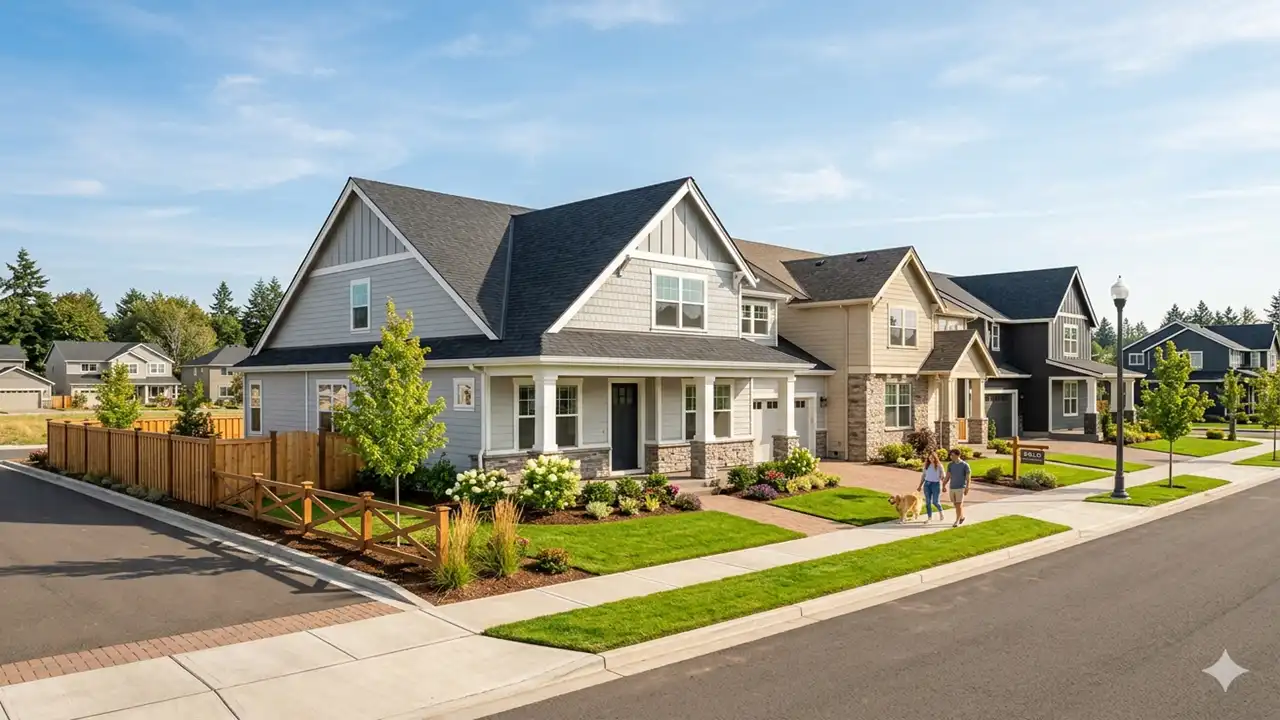
Embarking on the journey to homeownership is both thrilling and daunting, especially when it comes to understanding the financial implications. Knowing how to effectively evaluate your budget and explore financing options can make all the difference in finding the perfect home.
To ensure a smooth buying experience, it’s crucial to delve into the factors that affect home budgeting, familiarize yourself with different financing avenues, and uncover government incentives tailored for new buyers.
Key Factors Influencing Home Budgeting for New Buyers
Before diving into the real estate market, understand how pricing structures, interest rates, and personal financial health can impact your budget. It’s essential to consider your debt-to-income ratio, existing liabilities, and long-term financial goals. This will not only determine what you can afford but also influence the type of mortgage you might qualify for.
Exploring Financing Options for New Home Purchases
When it comes to financing a new home, buyers are presented with an array of options designed to cater to different needs and circumstances. Traditional mortgages, FHA loans, VA loans, and USDA loans each offer unique benefits. Understanding these options can help you make an informed decision that aligns with your financial situation.
“Choosing the right financing option is as crucial as picking the right home.”
Government Incentives for First-Time Buyers
First-time buyers can benefit from a variety of government incentives that make the purchase process more accessible. Programs such as the First-Time Homebuyer Tax Credit, down payment assistance programs, and special low-interest loans can significantly reduce the financial burden of buying a home. These initiatives are designed to encourage homeownership by making it more affordable.
| Mortgage Option | Benefits | Drawbacks |
|---|---|---|
| Conventional Mortgage | Stable interest rates, diverse term lengths | Higher credit score requirement |
| FHA Loan | Lower credit score requirement, smaller down payment | Mortgage insurance premium required |
| VA Loan | No down payment, no PMI | Only available to eligible veterans |
| USDA Loan | No down payment, competitive interest rates | Geographical restrictions apply |
Designing Your Dream Home
Imagine waking up each morning in a home that perfectly reflects your personality and lifestyle. Designing your dream home is an exciting journey filled with endless possibilities, where every choice you make brings you closer to the home you’ve always envisioned.
From the layout to the finishes, customizing your new home allows you to express your unique taste and meet your specific needs. Whether you’re planning a cozy family home or a luxurious retreat, the opportunity to handpick features and materials ensures that your space is truly yours.
Customization Options for New Homes
New homes today offer a myriad of customization options that cater to individual preferences. Homebuyers can choose everything from floor plans and architectural styles to interior finishes and technological integrations. Customizations can range from open-concept kitchens, spa-like bathrooms, to energy-efficient windows and smart home systems. Tailoring these elements allows you to create a functional and stylish space that enhances your everyday life.
Popular Builders and Their Ratings
Choosing the right builder is crucial to bringing your dream home to life. Here’s a list of popular builders in your area known for their quality craftsmanship and customer satisfaction:
- Smith & Sons Builders – ★★★★★ Based on 150 reviews, known for innovative designs and sustainability.
- Greenway Homes – ★★★★☆ A favorite for their eco-friendly materials and energy-efficient homes.
- DreamCraft Construction – ★★★★☆ Praised for their attention to detail and personalized service.
The Role of Architecture in Designing New Homes
Architecture plays a pivotal role in home design, influencing not only the aesthetics but also the functionality and environmental impact of your home. Skilled architects integrate your vision with practical considerations, ensuring that your home is not only beautiful but also sustainable and efficient. The choice of architectural style, from modern minimalism to classic colonial, can dramatically influence the character and atmosphere of your home.
Innovative Design Trends in New Home Construction
Today’s new home constructions are embracing innovative design trends that blend style with functionality. Some of the most exciting trends include:
- Biophilic Design – Integrating nature into the home through green walls, large windows, and natural materials.
- Smart Home Technology – Incorporating automation systems for lighting, security, and climate control.
- Multi-Functional Spaces – Creating adaptable areas that can serve multiple purposes, such as a home office doubling as a guest room.
“Your home should tell the story of who you are, and be a collection of what you love.” – Nate Berkus
Inspecting and Finalizing Your New Home Purchase
Congratulations on reaching the final stages of securing your dream home! This phase is crucial to ensure that everything aligns perfectly with your expectations and contractual agreements. Let’s dive into the steps needed to finalize this exciting journey.
Understanding the process of inspecting and finalizing your new home purchase will empower you to make informed decisions and ensure a smooth transition.
Conducting a Thorough Home Inspection for New Construction
Before you complete your purchase, it’s essential to conduct a comprehensive home inspection to identify any potential issues that need addressing. New constructions, though fresh, can still have hidden flaws. Engage a reputable inspector who specializes in new homes. They will evaluate the structural integrity, electrical systems, plumbing, and more, ensuring all aspects meet safety standards and your expectations.
Final Walkthrough Checklist Before Closing
The final walkthrough is your last chance to confirm that everything is in order before you sign the paperwork. Here’s what you should inspect:
- All agreed-upon repairs have been completed.
- All systems (heating, air conditioning, plumbing, and electrical) are functioning properly.
- Appliances are installed and operational.
- No new damage has occurred since your last visit.
- All fixtures and fittings are in place as per the purchase agreement.
Negotiating Repairs or Modifications
If the inspection or walkthrough reveals issues, it’s time to negotiate repairs or modifications. Approach this diplomatically, focusing on essential repairs that affect safety or functionality. Collaborate with the builder or seller to agree on solutions, whether it’s a repair, a credit at closing, or replacement. Remember, clear and concise communication is key to successful negotiations.
Paperwork and Legal Considerations
Finalizing your purchase involves a significant amount of paperwork. To avoid future headaches, ensure you understand the key documents, including:
Purchase Agreement – Artikels terms and conditions of the home sale, including price, closing date, and contingencies.
Title Search – Verifies the seller’s legal right to sell the property and checks for any liens or claims.
Settlement Statement – Details the final financial transactions, including closing costs.
It’s advisable to seek legal advice or consult with your real estate agent to clarify any terms or conditions you’re uncertain about, ensuring a seamless and secure transaction.
Moving into Your New Home
Transitioning into a new home is an exciting milestone, but it requires careful planning to ensure a smooth move. From organizing the logistics to adapting to your new surroundings, each step plays a crucial role in turning a house into a home.
Embarking on this journey involves more than just packing boxes. It’s about preparing for a new chapter and embracing the change with an open heart and strategy in hand.
Strategizing for a Smooth Move
The secret to a seamless move lies in strategic organization. Start by establishing a timeline that artikels every detail, from packing to arrival. Here’s a detailed timeline to help guide you:
- 8 Weeks Before Moving: Begin by decluttering your current home. Donate, sell, or dispose of items you no longer need. Start gathering moving supplies and research moving companies.
- 6 Weeks Before Moving: Notify important parties about your change of address. This includes utilities, postal services, banks, and insurance companies. Begin packing items you seldom use.
- 4 Weeks Before Moving: Confirm moving arrangements and book your movers. If you’re moving locally, plan the route and logistics of the moving day.
- 2 Weeks Before Moving: Pack systematically, labeling boxes by room. Set aside an essentials box with items you’ll need immediately at your new home, such as toiletries and a change of clothes.
- Moving Week: Review your moving plans and ensure all details are in place. Pack valuables and personal items separately to carry with you. Conduct a final clean of your old home.
Key Tasks After Moving In
Once you have the keys to your new abode, it’s time to prioritize tasks that will make your house feel like home. Here are key actions to tackle immediately after settling in:
- Unpack Essentials: Focus on setting up your bedroom and kitchen first to maintain daily routines without disruption.
- Safety Check: Inspect smoke detectors, ensure all locks are secure, and familiarize yourself with the main water valve and circuit breaker.
- Address Change: Update your address with any services you might have missed and notify friends and family of your new location.
- Utilities and Internet: Ensure all utilities are up and running, including water, electricity, gas, and internet connection.
Settling into Your Community
Building connections in your new community is essential for feeling at home and creating a supportive network. Here are some tips to help you integrate smoothly:
“The fastest way to make new friends is by exploring local events and engaging in communal activities.”
Attend neighborhood gatherings, join local clubs or groups, and don’t hesitate to introduce yourself to neighbors. Volunteering for community projects can also be a rewarding way to meet people and learn more about your new surroundings.
Summary
As you stand on the threshold of your new home journey, remember that each decision, from selecting a location to customizing your space, is a step toward crafting the life you desire. With the right insights and strategies, your dream property is not just a vision—it’s a reality waiting to be seized. Here’s to new beginnings and the exciting path ahead!

