Imagine the possibilities of owning a piece of land, a blank canvas ready for your vision to unfold. Whether you’re dreaming of building a serene home, establishing a bustling business, or cultivating fertile fields, the right type of land can make all the difference. In this comprehensive guide, we’ll delve into the various categories of land available for purchase and explore how each can cater to your unique aspirations.
From understanding the impact of zoning laws to navigating the intricacies of financing options, buying land isn’t just a transaction—it’s an adventure. With our creative insights and persuasive guidance, you’ll be equipped to make informed, confident decisions that align with both your dreams and practical needs.
Types of Land for Sale
When it comes to investing in land, understanding the different types available is crucial. Each category of land serves distinct purposes, catering to varied needs and aspirations.
Exploring the diversity of land types can help you make informed decisions that align with your investment or personal goals. Let’s delve into the specifics of residential, commercial, agricultural, and industrial lands.
Residential Land: The Foundation for Homes
Residential land is primarily used for housing. Whether you’re dreaming of a standalone house, a community of apartments, or a stylish townhouse, this type of land is your canvas. Imagine a peaceful neighborhood where families grow and thrive, which is the essence of residential land.
- Ideal for building homes and residential complexes.
- Located in areas with amenities like schools, parks, and grocery stores.
- Zoning laws often dictate the number of units per plot.
Commercial Land: The Hub of Business
Commercial land is the heartbeat of economic activity. Envision bustling shopping centers, office buildings, or cozy cafes on a vibrant street. This land type is all about business and commerce.
- Perfect for retail stores, offices, and restaurants.
- Higher foot traffic areas increase business visibility and opportunities.
- Zoning regulations focus on business-related developments.
Agricultural Land: Cultivating the Future
Agricultural land is the backbone of food production and sustainability. From sprawling fields of crops to vineyards and orchards, this land type is dedicated to farming and livestock.
- Used for growing crops, raising animals, and other agricultural activities.
- Often located in rural areas with ample space and natural resources.
- Zoning typically limits non-agricultural developments.
Industrial Land: Powering Production
Industrial land is essential for manufacturing and production activities. Picture factories, warehouses, and logistics centers that are the engines of industry. This land fuels economic growth and development.
- Suitable for manufacturing plants, distribution centers, and warehouses.
- Usually located with convenient access to transportation networks.
- Zoning focuses on heavy-duty uses and infrastructure.
Comparative Analysis of Land Types
Understanding the nuances of each land type is key to making the right investment choice. Here’s a comparative overview:
| Land Type | Key Features | Potential Uses |
|---|---|---|
| Residential | Proximity to amenities, family-friendly | Housing, community living |
| Commercial | High visibility, consumer access | Retail, offices, dining |
| Agricultural | Rural location, fertile land | Farming, livestock, agritourism |
| Industrial | Access to transport, robust infrastructure | Manufacturing, logistics |
Choosing the right type of land aligns your investment with your vision for the future.
Key Considerations Before Buying Land
Embarking on the journey to purchase land is more than just a financial commitment; it’s an investment in your future. With so many factors to weigh, it’s important to approach this decision with a cautious and informed mindset.
From the allure of a picturesque location to the practicality of accessibility, every aspect of land purchase requires careful consideration. Let’s delve into these crucial elements to ensure your investment is both wise and rewarding.
Understanding Location, Accessibility, and Infrastructure
The allure of ownership begins with the land’s location. Proximity to essential services such as schools, hospitals, and markets can significantly influence both the value and livability of your property. Accessibility is equally vital; the presence of well-maintained roads and public transport options can enhance convenience and connect you to broader opportunities. Finally, the availability of infrastructure such as utilities (water, electricity, internet) and sewage systems ensure a standard of living that meets modern expectations.
Environmental and Ecological Considerations
Before sealing the deal, it’s crucial to assess the land’s environmental implications. This includes understanding the area’s susceptibility to natural disasters like floods or landslides, which could potentially threaten both safety and investment. Moreover, the ecological health of the land should not be overlooked. The presence of endangered species, protected habitats, or contamination issues may pose legal constraints and affect future development plans. Always evaluate the natural landscape to ensure it aligns with your vision.
Conducting Due Diligence
Taking the time to carry out due diligence is a non-negotiable step in the land purchasing process. Start with a thorough check of the land title to confirm ownership and ensure there are no outstanding disputes or legal encumbrances. Engage in a land survey to accurately determine boundaries and avoid future conflicts. Consider consulting with local authorities to uncover any zoning restrictions or development plans that could impact your intended use of the land. Never underestimate the power of a well-researched decision.
As you navigate the complexities of land buying, remain vigilant for potential pitfalls that could derail your investment dreams.
- Unclear or disputed land titles
- Overvaluation of land pricing
- Hidden costs such as taxes or utility hookups
- Restrictions on land use or unexpected zoning changes
- Presence of environmental hazards or contamination
- Inadequate access to essential infrastructure or amenities
“The best investment on earth is earth.” — Louis Glickman
Financing Options for Land Acquisition
Securing financing for purchasing land might seem daunting, but a world of options awaits to make your dream property a reality. Let’s delve into the various financing avenues tailored for land acquisition, each offering unique benefits and challenges.
From traditional loans to more creative solutions like owner financing and land contracts, the landscape of land financing is diverse and adaptable to different needs and financial situations.
Traditional Loans
Traditional loans, often provided by banks or credit unions, are a common choice for financing land purchases. These loans typically offer stability and predictable terms, which is crucial for long-term planning. However, they may come with stringent approval criteria, requiring a strong credit score and substantial down payment.
- Pros: Predictable interest rates, established lenders, potentially longer repayment terms.
- Cons: Rigorous credit checks, higher down payments, less flexibility in terms.
Owner Financing
Owner financing presents a more personalized path, where the property owner serves as the lender. This method can lead to greater flexibility in terms and possibly a more lenient approval process. Yet, it’s important to note that interest rates might be higher compared to traditional loans.
- Pros: Flexible terms, personalized agreements, potentially easier approval.
- Cons: Higher interest rates, potential for less formal arrangements, possibly shorter loan durations.
Land Contracts
Land contracts, also known as contracts for deed, allow the buyer to make payments directly to the seller over time, eventually gaining full ownership once the contract is satisfied. This option can be attractive for those unable to secure traditional financing, though it carries its own risks and rewards.
- Pros: Accessible to buyers with less-than-perfect credit, direct seller-buyer negotiations.
- Cons: Risk of losing the property if payments are missed, often higher interest rates, potential for less legal protection.
Interest Rates and Loan Terms for Land Purchases
The financial dynamics of purchasing land are distinct from those for homes or commercial properties. Interest rates for land loans can be higher, reflecting the increased risk to lenders, and loan terms are often shorter, requiring careful financial planning.
“Understanding the nuances of land financing can empower you to make informed decisions and secure your ideal piece of paradise.”
| Financing Method | Typical Interest Rate | Loan Term | Down Payment |
|---|---|---|---|
| Traditional Loan | 3% – 7% | 15 – 30 years | 20% – 50% |
| Owner Financing | 5% – 10% | 5 – 15 years | 10% – 20% |
| Land Contract | 6% – 12% | 3 – 10 years | Usually negotiable |
Legal Aspects of Land Purchase
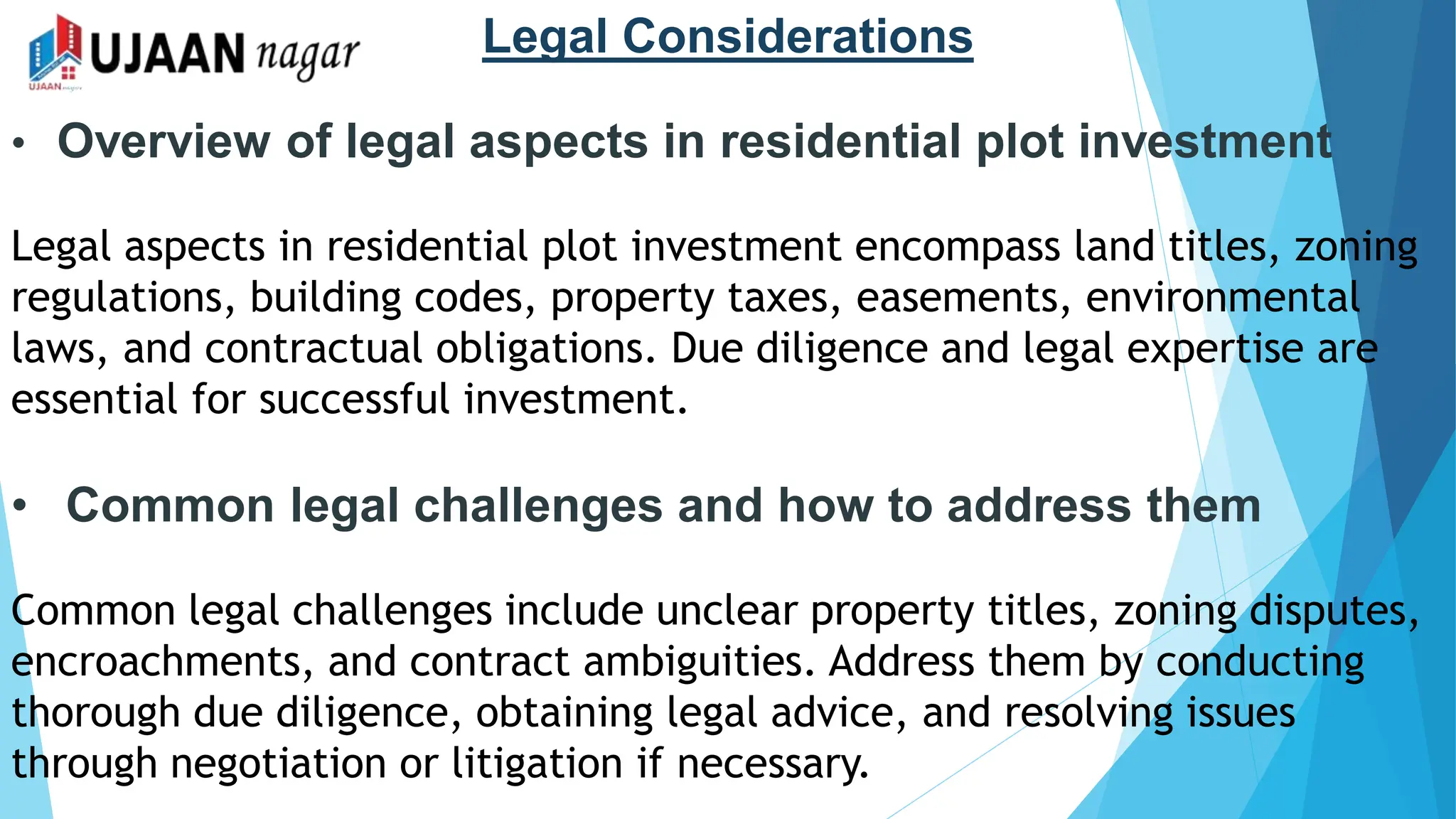
Embarking on the journey of purchasing land is an exhilarating adventure, but it’s crucial to navigate the legal waters with precision and care. Understanding the legal aspects is akin to ensuring your ship is seaworthy before setting sail.
From title searches to contract negotiations, the legal framework of land purchase is a multi-layered process demanding meticulous attention. To safeguard your investment, unraveling these complexities with expertise is paramount.
Understanding Legal Processes in Land Purchase
When it comes to buying land, the legal processes involved are your map and compass. The journey begins with a thorough title search, essential for verifying the legal ownership and ensuring the land is free of liens or disputes. Moreover, conducting a land survey is pivotal as it defines the boundaries and reveals any encroachments or easements that might affect your future plans.
Once you’re satisfied with the legal standing, the next step is contract negotiation. This phase demands attention to details, ensuring all terms and contingencies are clearly artikeld and agreed upon.
Common Legal Pitfalls and How to Avoid Them
Even the most seasoned adventurers can stumble into traps without proper guidance. Legal pitfalls often lurk in the shadows of ambiguity and oversight. One common issue is failing to conduct a comprehensive title search, which might lead to acquiring land with unresolved claims. Another pitfall is neglecting the inspection of zoning regulations, which can drastically limit land use.
To steer clear of these hazards, it’s imperative to hire a qualified attorney who specializes in real estate. Their expertise can illuminate the path, ensuring that every legal box is ticked and every potential issue is addressed before committing to the purchase.
Step-by-Step Procedure for a Smooth Legal Transaction
Ensuring a seamless legal process in land acquisition involves a structured approach, akin to following a well-crafted itinerary:
- Initiate a title search to confirm the land’s ownership history and identify any encumbrances.
- Engage a professional to conduct a land survey, clarifying the boundaries and highlighting potential issues.
- Review zoning ordinances and environmental regulations that may impact your intended use of the land.
- Negotiate the contract meticulously, with all contingencies and terms clearly defined.
- Secure financing (if necessary) with the terms aligning with your financial landscape.
- Attend the closing meeting, ensuring all documents are signed, funds are transferred, and ownership is officially recorded.
The Role of Legal Professionals in Land Acquisition
In the realm of land purchase, legal professionals act not only as guides but as guardians of your interests. Their role is to navigate the intricacies of real estate law, ensuring that every aspect of the transaction is legally sound. From conducting title searches to drafting and reviewing contracts, their expertise is invaluable.
Hiring an attorney who specializes in real estate is not just a recommendation—it’s an investment in peace of mind. They will provide the assurance that all legal obligations are met, and potential issues are addressed proactively. As one might say,
“An ounce of prevention is worth a pound of cure.”
With their guidance, you’ll be equipped to embark on your land ownership journey with confidence and clarity.
Land Development Potential and Restrictions
When considering the purchase of land for development, understanding the potential and restrictions associated with the property is essential. This involves not just the physical characteristics of the land but also legal and logistical considerations that could influence its future usability.
Effectively assessing a land’s development potential requires a thorough examination of the various factors that could impact its use. From zoning laws to environmental considerations, each aspect must be weighed carefully to ensure that the land meets your investment goals.
Evaluating Development Potential
One of the first steps in assessing land development potential is to conduct a comprehensive feasibility study. This involves analyzing the topography, soil quality, accessibility, and available utilities. A piece of land might appear perfect at first glance, but hidden challenges such as poor soil drainage or lack of infrastructure can significantly hinder development plans.
Understanding Zoning Laws and Land Use Restrictions
Zoning laws dictate how a parcel of land can be used, affecting everything from the type of structures you can build to the activities permitted on the site. It’s crucial to consult local zoning maps and meet with municipal planning departments to understand current restrictions. This will help prevent costly mistakes and align your plans with local regulations.
- Residential Zoning: Typically allows for housing developments and may include restrictions on the type of dwellings.
- Commercial Zoning: Permits businesses and retail establishments but may restrict residential usage.
- Industrial Zoning: Suitable for factories and heavy manufacturing, often with specific environmental guidelines.
Strategies for Maximizing Return on Investment
Maximizing ROI on land purchases involves a strategic approach to development. Begin by identifying areas with high growth potential, such as those near expanding cities or upcoming infrastructure projects. Partnering with experienced developers and securing favorable financing terms can also enhance profitability. Additionally, consider phased development, which allows you to build and sell in stages, reducing risk and increasing cash flow.
Success Stories in Land Development
Throughout various regions, innovative land development projects have transformed underutilized spaces into thriving communities. Consider the example of the Dumbo district in Brooklyn, New York, where abandoned industrial buildings were converted into a vibrant residential and retail hub.
“The ability to envision a new use for a neglected area and navigate the legalities of rezoning and development is what sets successful land developers apart.”
In the Silicon Valley region, former agricultural land has been repurposed to accommodate tech campuses, contributing to the region’s economic boom and setting a benchmark for integrating technology with urban planning.
“Strategic location and timing were critical in turning Silicon Valley into a global tech powerhouse, demonstrating the impact of thoughtful land development.”
Future Trends in Land Investment
The landscape of land investment is evolving rapidly, driven by technological advancements and a growing emphasis on sustainability. As we look to the future, understanding these trends can provide a strategic advantage to investors seeking to capitalize on new opportunities.
Emerging trends are reshaping how we evaluate and invest in land. From the integration of technology in decision-making to the rise of eco-friendly projects, the future of land investment is set to transform in remarkable ways.
Embracing Sustainable Practices
The push for sustainability is more than a buzzword—it’s a powerful movement reshaping land investment. Investors are increasingly drawn to lands that promise not only financial returns but also environmental benefits. Green investments such as lands suited for renewable energy projects like solar farms and wind turbine installations are gaining traction.
Incorporating sustainable practices into land development not only boosts the ecological value but also enhances market appeal. Lands that support conservation efforts or adopt sustainable agricultural practices are likely to appreciate in value, capturing the interest of forward-thinking investors.
Impact of Technology on Land Evaluation
Technological advancements are revolutionizing how investors assess and manage land investments. With tools like satellite imagery and drone technology, evaluating land’s potential has become more precise and efficient. These technologies allow investors to gain deeper insights into a property’s topography, water resources, and vegetation, all of which are critical factors in making informed decisions.
- AI-driven analytics offer predictive insights into future land values.
- Blockchain technology enhances transparency in land transactions.
- Virtual reality provides immersive property viewing experiences, transcending geographical barriers.
Climate Change and Its Influence on Land Values
As climate change continues to alter geographical landscapes, its impact on land values and usage becomes increasingly significant. Investors must consider factors such as rising sea levels, increased frequency of natural disasters, and changing agricultural zones when evaluating land for future use. Adaptive strategies and resilient land development plans are becoming essential components of investment portfolios.
The land market is entering a new era, where adaptability and foresight will determine success.
| Trend | Impact on Land Market |
|---|---|
| Renewable Energy Projects | Increased demand for land suitable for solar and wind farms. |
| Technological Integration | Enhanced precision in land evaluation and transaction processes. |
| Sustainability Focus | Premium on lands that support eco-friendly development. |
| Climate Change Adaptation | Shift in desirability based on environmental resilience. |
Conclusion
Embarking on the journey of land acquisition is more than just a financial investment; it’s a commitment to your future. By understanding the nuances of land types, legalities, and evolving market trends, you’ll not only secure a valuable asset but also a legacy. So dream big, plan wisely, and watch as your land transforms into a thriving reality.

